گزارش تحولات هوش مصنوعی
موضوع: اجتماعیشدن مدلها، مالیشدن زیرساخت و تعمیق «مالکیت ظرفیت»
مهمترین تحول امروز را نباید صرفاً در معرفی یک مدل جدید جستوجو کرد. اخبار ۱۴ اوت نشان میدهند که دو روند ظاهراً متضاد همزمان در حال تقویتشدناند: از یک سو، مدلهای open-weight قدرتمندتر و ارزانتر میشوند و امکان استفاده و توسعه هوش مصنوعی را در اختیار گروه بزرگتری از توسعهدهندگان و شرکتها قرار میدهند؛ از سوی دیگر، مالکیت ظرفیت محاسباتی و نظام مالی لازم برای ایجاد آن بیش از پیش در دست تعداد محدودی از شرکتهای فناوری و مؤسسات مالی متمرکز میشود.
۱. مدل باز چینی به مرز مدلهای بسته پیشرفته رسیده است
امروز Z.ai اعلام کرد مدل open-source جدید GLM-5.3 در آزمون CyberGym برای شناسایی آسیبپذیری نرمافزار امتیاز ۸۴.۵٪ گرفته و در این آزمون اندکی بالاتر از مدل محدود Mythos 5 شرکت Anthropic قرار گرفته است. البته در تبدیل آسیبپذیریها به exploit عملی، Mythos همچنان فاصله قابل توجهی دارد. Z.ai میگوید وزنهای مدل را پس از ارزیابیهای ایمنی منتشر خواهد کرد.
ارتباط با کتاب: این تحول نشان میدهد تواناییهایی که تا همین اواخر فقط در آزمایشگاههای بسته و بسیار سرمایهبر وجود داشتند، میتوانند وارد فضای وسیعتر تولید اجتماعی شوند. توسعهدهندگان مستقل، دانشگاهها و شرکتهای کوچکتر میتوانند بر مدلهای قدرتمند کار کنند و آنها را تغییر دهند.
اما همین تحول تناقض دیگری ایجاد میکند: اجتماعیشدن مدل الزاماً به اجتماعیشدن قدرت تولیدی منجر نمیشود. مدل را میتوان دانلود کرد، ولی اجرای آن در مقیاس بزرگ همچنان به GPU، برق و مرکز داده نیاز دارد.
۲. «بازبودن مدل» اکنون به مسئله سیاست صنعتی و قدرت دولتی تبدیل شده است
امروز سناتور آمریکایی Jim Banks از دولت آمریکا خواست برای توسعه مدلهای open-weight آمریکایی مشوق ایجاد کند. دلیل این درخواست، گسترش مدلهای چینی در بازار آمریکا و نگرانی از وابستگی شرکتهای آمریکایی به آنهاست. مدلهای Meta، NVIDIA و Thinking Machines در این رقابت قرار گرفتهاند.
این تحول اهمیت نظری زیادی دارد. مدل open-weight دیگر صرفاً یک انتخاب مهندسی نیست؛ به ابزار رقابت اقتصادی و ژئوپولیتیکی تبدیل شده است.
ارتباط با کتاب: دانش اجتماعی هنگامی که به یک نیروی تولیدی استراتژیک تبدیل میشود، دولت و سرمایه برای کنترل مسیر توسعه آن وارد میدان میشوند. بنابراین مسئله مالکیت AI را نمیتوان فقط رابطه شرکت و مصرفکننده دانست؛ دولت، سرمایه و زیرساخت نیز بخشی از ساختار مالکیت و قدرتاند.
۳. تحول مهمتر امروز: «ظرفیت محاسباتی» در حال تبدیلشدن به یک طبقه دارایی مالی است
جزئیات تازهای که امروز درباره طرح ۵۰۰ میلیارد دلاری NVIDIA منتشر شد، از نظر اقتصاد سیاسی شاید مهمترین خبر روز باشد.
Goldman Sachs در حال مذاکره با سرمایهگذاران برای مشارکت در این ساختار است. بیمهگران، بانکها و مدیران دارایی قرار است بخش عمده سرمایه را فراهم کنند. NVIDIA نیز اختیار دارد تا حدود ۱۲۵ میلیارد دلار، یعنی ۲۵٪ پروژهها، پشتوانه ارائه کند.
اما نکته مهمتر هدف این ساختار است: ایجاد یک بازار asset-backed برای AI compute؛ یعنی تجهیزات محاسباتی و ظرفیت AI بتوانند مانند دیگر داراییهای مالی پشتوانه بدهی قرار گیرند و حتی بدهی مبتنی بر آنها قابل معامله شود.
این یک تحول بسیار مهم برای کتاب است. در مرحله اول، GPU ابزار تولید بود. در مرحله دوم، GPU و مرکز داده به سرمایه ثابت تبدیل شدند. اکنون در مرحله سوم، خود ظرفیت محاسباتی در حال تبدیلشدن به دارایی مالی است. بنابراین میتوانیم شاهد ظهور چیزی شبیه به «مالیشدن ظرفیت محاسباتی» باشیم.
۴. مقیاس تمرکز سرمایه از آنچه تصور میکردیم بزرگتر است
Goldman Sachs برآورد کرده چهار hyperscaler بزرگ تا سال ۲۰۳۰ بیش از ۵ تریلیون دلار برای فناوری و مراکز داده هزینه خواهند کرد.
برای مقایسه، تنها در سال جاری Alphabet، Amazon، Meta، Microsoft و Oracle حدود ۷۵۰ میلیارد دلار برای مراکز داده هزینه خواهند کرد.
ارتباط با کتاب: این ارقام نشان میدهند مسئله دیگر صرفاً «شرکتهای بزرگ فناوری» نیست. یک ساختار جدید سرمایه ثابت در مقیاس تاریخی در حال ساختهشدن است.
ورود به لایه بالای تولید AI نیازمند میلیاردها دلار سرمایه است. بنابراین حتی اگر دانش و مدلها آزادتر شوند، مانع ورود به ظرفیت تولید میتواند بالاتر برود.
۵. در نتیجه، مفهوم «مالکیت ظرفیت» امروز معنای دقیقتری پیدا میکند
در گزارشهای روزهای گذشته به این مفهوم رسیدیم که باید میان مالکیت مدل و مالکیت ظرفیت اجرای مدل تفاوت گذاشت. اطلاعات امروز این مفهوم را یک مرحله جلوتر میبرند.
اکنون زنجیره را میتوان چنین دید:
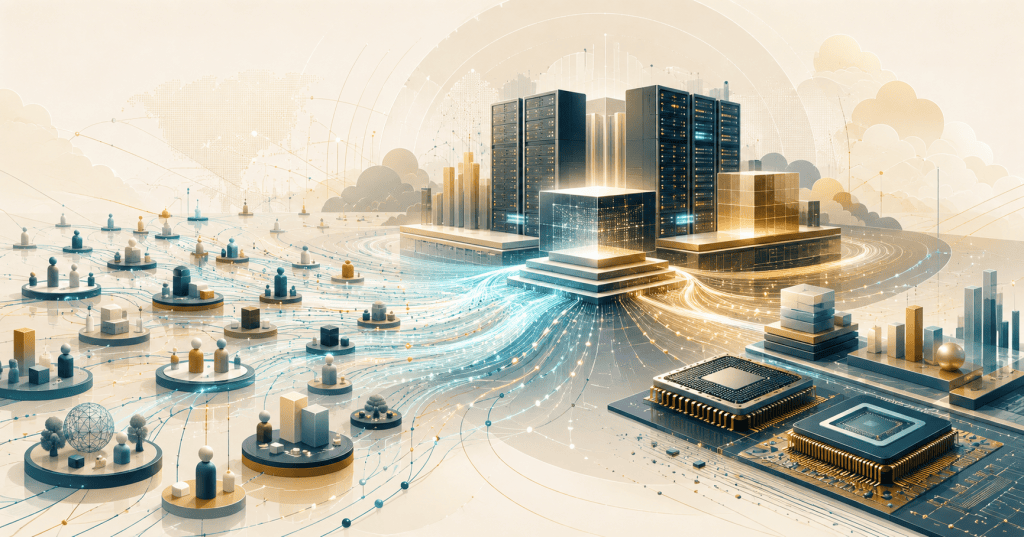
دانش اجتماعی ← داده ← مدل ← تراشه ← مرکز داده ← ظرفیت محاسباتی ← دارایی مالی ← بازار سرمایه
در انتهای این زنجیره دیگر فقط یک شرکت فناوری قرار ندارد؛ بانک، بیمه، صندوق سرمایهگذاری و بازار بدهی نیز وارد شدهاند. در نتیجه، کنترل AI میتواند از ترکیب مالکیت تکنولوژیک + مالکیت زیرساخت + مالکیت مالی شکل بگیرد.
۶. هزینه مادی این تمرکز همچنان بر منابع اجتماعی فشار میآورد
طبق تازهترین پیشبینی اداره اطلاعات انرژی آمریکا، مصرف برق این کشور از رکورد ۴۱۹۵ میلیارد کیلوواتساعت در ۲۰۲۵ به ۴۲۶۸ میلیارد در ۲۰۲۶ و ۴۳۹۱ میلیارد در ۲۰۲۷ خواهد رسید؛ توسعه مراکز داده AI یکی از عوامل اصلی این افزایش است.
در عین حال، مقاومت اجتماعی در برابر مراکز داده افزایش یافته است. در سهماهه نخست امسال، ۷۵ پروژه به ارزش حدود ۱۳۰ میلیارد دلار با مخالفت جوامع محلی مواجه شدهاند؛ بهحدی که بانکها اکنون حمایت یا مخالفت جامعه محلی را جزئی از ارزیابی ریسک اعتباری پروژه محسوب میکنند.
ارتباط با کتاب: اینجا تناقض بسیار ملموس است: سرمایه مالک مرکز داده است، اما برای تولید به برق، آب، زمین، مجوز عمومی و پذیرش جامعه نیاز دارد. تولید خصوصی بدون زیرساخت اجتماعی امکانپذیر نیست.
۷. خودکارسازی هنوز «پایان کار» نیست، اما وارد محاسبات سیاست اقتصادی شده است
تحلیل تازه رویترز نشان میدهد اثر AI بر آمار کلان اشتغال آمریکا هنوز کوچک و دشوار برای جداسازی از عوامل دیگر است. با این حال، AI در برخی بررسیها به یکی از دلایل مهم تعدیل نیرو، بهویژه در فناوری و امور مالی، تبدیل شده و فدرال رزرو اکنون آثار آن بر بهرهوری و تقاضای نیروی کار را بهطور رسمی زیر نظر دارد.
برای کتاب این احتیاط مهم است. هنوز نباید از «پایان کار» سخن گفت. پرسش بنیادیتر همان پرسشی است که در گزارشهای اخیر مطرح کردیم: اگر AI زمان لازم برای تولید یک کالا یا خدمت را کاهش میدهد، مالک زمان اجتماعی آزادشده چه کسی است؟
اگر افزایش بهرهوری به کاهش اشتغال و افزایش بازده سرمایه تبدیل شود، منفعت فناوری خصوصی میشود. اگر به کاهش ساعت کار بدون کاهش سطح زندگی منجر شود، همان فناوری میتواند به افزایش آزادی انسان تبدیل شود.
نتیجه امروز: از «مالکیت ظرفیت» به «مالیشدن ظرفیت»
تحولات ۱۴ اوت اجازه میدهند چارچوب نظری چند روز گذشته را یک گام دیگر توسعه دهیم. ما ابتدا از مالکیت مدل صحبت کردیم. سپس به مالکیت گلوگاه رسیدیم. بعد مفهوم مالکیت ظرفیت محاسباتی مطرح شد.
تحول امروز مرحله بعدی را نشان میدهد: ظرفیت محاسباتی نهتنها در حال خصوصیشدن و تمرکز است، بلکه در حال تبدیلشدن به یک دارایی مالی قابل تأمین مالی، وثیقهگذاری و معامله است.
این مسئله برای «نظم اجتماعی نوین در عصر آگاهی» اهمیت بنیادی دارد. دانش مورد استفاده AI حاصل انباشت اجتماعی عظیمی است؛ داده توسط میلیاردها انسان تولید میشود؛ پژوهش دانشگاهی و نرمافزار متنباز پایههای آن را ساختهاند؛ و زیرساخت انرژی و منابع طبیعی جامعه آن را ممکن میکنند.
اما در انتهای این زنجیره، حق تبدیل دانش اجتماعی به قدرت محاسباتی و سپس تبدیل آن قدرت به درآمد و دارایی مالی میتواند در دست شبکهای بسیار محدود از شرکتهای فناوری و سرمایه مالی قرار گیرد.
بنابراین شاید بتوان تز مرکزی این مرحله را چنین صورتبندی کرد: هرچه دانش و تولید هوش مصنوعی اجتماعیتر میشوند، مبارزه بر سر مالکیت از خودِ دانش به مالکیت ظرفیت تبدیل دانش به قدرت اقتصادی منتقل میشود؛ و اکنون حتی خودِ این ظرفیت نیز در حال مالیشدن است.
این تحول، بهنظر من، یکی از مهمترین شواهدی است که تاکنون برای توسعه استدلال «تولید اجتماعی / مالکیت خصوصی» در کتاب به دست آوردهایم.
AI Developments Report
Theme: The Socialization of Models, the Financialization of Infrastructure, and the Deepening of “Capacity Ownership”
Today’s most important development should not be sought merely in the introduction of a new model. The news of August 14 indicates that two seemingly contradictory trends are strengthening simultaneously. On the one hand, powerful open-weight models are becoming more capable and less expensive, placing the use and development of artificial intelligence within reach of a broader range of developers and companies. On the other hand, ownership of computing capacity—and of the financial system required to create it—is becoming increasingly concentrated in the hands of a small number of technology companies and financial institutions.
1. A Chinese Open Model Has Reached the Frontier of Advanced Closed Models
Today, Z.ai announced that its new open-source GLM-5.3 model scored 84.5 percent in the CyberGym benchmark for identifying software vulnerabilities, placing it slightly above Anthropic’s restricted Mythos 5 model in this test. Mythos, however, still maintains a substantial lead in turning vulnerabilities into practical exploits. Z.ai says it will release the model weights after completing safety evaluations.
Connection to the book: This development shows that capabilities which until recently existed only in closed, highly capital-intensive laboratories can enter a much broader sphere of social production. Independent developers, universities, and smaller companies can work with powerful models and modify them.
Yet this same development creates another contradiction: the socialization of the model does not necessarily lead to the socialization of productive power. A model can be downloaded, but running it at scale still requires GPUs, electricity, and data centers.
2. “Model Openness” Has Become a Question of Industrial Policy and State Power
Today, U.S. Senator Jim Banks called on the American government to create incentives for the development of American open-weight models. The request was prompted by the growing presence of Chinese models in the U.S. market and concerns that American companies could become dependent on them. Models from Meta, NVIDIA, and Thinking Machines are part of this competition.
This development has major theoretical importance. An open-weight model is no longer merely an engineering choice; it has become an instrument of economic and geopolitical competition.
Connection to the book: When social knowledge becomes a strategic productive force, both the state and capital enter the field to control the direction of its development. The ownership of AI therefore cannot be understood solely as a relationship between company and consumer. The state, capital, and infrastructure are also parts of the structure of ownership and power.
3. Today’s More Important Development: “Computing Capacity” Is Becoming a Financial Asset Class
From the standpoint of political economy, the new details released today about NVIDIA’s 500-billion-dollar initiative may be the most important news of the day.
Goldman Sachs is negotiating with investors to participate in this structure. Insurers, banks, and asset managers are expected to provide most of the capital. NVIDIA also has the option to provide backing for approximately 125 billion dollars, equal to 25 percent of the projects.
More important, however, is the purpose of the structure: to create an asset-backed market for AI compute. In other words, computing equipment and AI capacity could serve as collateral for debt, and debt based on that capacity could itself become tradable.
This is an extremely important development for the book. In the first stage, the GPU was an instrument of production. In the second stage, GPUs and data centers became fixed capital. Now, in the third stage, computing capacity itself is becoming a financial asset. We may therefore be witnessing the emergence of something resembling the “financialization of computing capacity.”
4. The Scale of Capital Concentration Is Greater Than We Imagined
Goldman Sachs estimates that the four largest hyperscalers will spend more than 5 trillion dollars on technology and data centers by 2030.
For comparison, Alphabet, Amazon, Meta, Microsoft, and Oracle will spend approximately 750 billion dollars on data centers this year alone.
Connection to the book: These figures show that the issue is no longer simply one of “large technology companies.” A new structure of fixed capital is being built on a historic scale.
Entering the upper tier of AI production requires billions of dollars in capital. Consequently, even as knowledge and models become more open, the barrier to entering productive capacity may rise.
5. The Concept of “Capacity Ownership” Has Acquired a More Precise Meaning
In recent reports, we arrived at the idea that ownership of a model must be distinguished from ownership of the capacity required to run it. Today’s information advances this concept by another stage.
The chain can now be understood as follows:
Social knowledge → data → model → chip → data center → computing capacity → financial asset → capital market
At the end of this chain, there is no longer only a technology company. Banks, insurers, investment funds, and debt markets have also entered. Control over AI can therefore emerge through a combination of technological ownership, infrastructure ownership, and financial ownership.
6. The Material Cost of This Concentration Continues to Place Pressure on Social Resources
According to the latest forecast by the U.S. Energy Information Administration, electricity consumption in the United States will rise from a record 4,195 billion kilowatt-hours in 2025 to 4,268 billion in 2026 and 4,391 billion in 2027. The expansion of AI data centers is one of the principal drivers of this increase.
At the same time, social resistance to data centers has grown. During the first quarter of this year, 75 projects worth approximately 130 billion dollars faced opposition from local communities—to such an extent that banks now treat community support or opposition as part of their assessment of a project’s credit risk.
Connection to the book: The contradiction is tangible here: capital owns the data center, but production requires electricity, water, land, public permits, and social acceptance. Private production is impossible without social infrastructure.
7. Automation Is Not Yet the “End of Work,” but It Has Entered Economic Policy Calculations
A new Reuters analysis shows that the effect of AI on aggregate U.S. employment statistics remains small and difficult to separate from other factors. Nevertheless, some surveys identify AI as an important cause of layoffs, especially in technology and finance, and the Federal Reserve is now formally monitoring its effects on productivity and labor demand.
This caution is important for the book. We should not yet speak of the “end of work.” The more fundamental question is the one posed in recent reports: if AI reduces the time required to produce a good or service, who owns the social time that has been freed?
If higher productivity is converted into reduced employment and increased returns to capital, the benefit of technology is privatized. If it leads to shorter working hours without a decline in living standards, the same technology can expand human freedom.
Today’s Conclusion: From “Capacity Ownership” to the “Financialization of Capacity”
The developments of August 14 allow us to advance the theoretical framework of recent days by another step. We began by discussing ownership of the model. We then moved to ownership of the bottleneck. After that, the concept of ownership of computing capacity emerged.
Today’s development reveals the next stage: computing capacity is not only being privatized and concentrated; it is also becoming a financial asset that can be financed, pledged as collateral, and traded.
This question is fundamental to A New Social Order in the Age of Awareness. The knowledge used by AI is the product of an immense process of social accumulation. Data is produced by billions of human beings; academic research and open-source software have built its foundations; and social energy infrastructure and natural resources make it possible.
Yet at the end of this chain, the right to transform social knowledge into computing power—and then to transform that power into income and financial assets—can remain in the hands of a very limited network of technology companies and financial capital.
The central thesis of this stage may therefore be formulated as follows: as knowledge and the production of artificial intelligence become more social, the struggle over ownership moves from knowledge itself to ownership of the capacity to convert knowledge into economic power; and now that capacity itself is being financialized.
In my view, this development is one of the most important pieces of evidence we have yet obtained for advancing the book’s argument concerning “social production/private ownership.”


Leave a comment