
کلانشهر پس از مهمانی: نسل زد، دگرگونی شهری، آگاهی سیاسی و بازگشت فضاهای سوم ادبی
تحلیلی دربارهٔ گذار از زندگی شبانهٔ تجاری به فضاهای مطالعه و گفتوگو؛ و اینکه چگونه تجربههای فردی میتوانند به آگاهی سیاسی، سازمانیابی دموکراتیک و مشارکت در قدرت پیوند بخورند.
The Post-Party Metropolis: Gen Z, Urban Transformation, Political Consciousness, and the Return of Literary Third Places
From commercial nightlife to reading circles and civic third places—and from private dissatisfaction to collective political consciousness and participation in power.
هوش مصنوعی، قدرت و مالکیت اجتماعی
AI, Power and Social Ownership — Three Essays
هوش مصنوعی، کار و روابط انسانی: چه کسی شناخت اجتماعی ما را کنترل میکند؟
هوشمندیای که جامعه تولید میکند متعلق به کیست ــ و چه کسی تصمیم میگیرد چگونه زندگی ما را شکل دهد؟
AI, Work and Human Relationships: Who Controls Our Social Knowledge?
Who owns the intelligence society produces—and who decides how it shapes our lives?
هوش مصنوعی در سرمایهداری: خطر، قدرت و مالکیت دموکراتیک
شناخت اجتماعی، کنترل متمرکز و مبارزه برای رهایی فناورانه
AI Under Capitalism: Risk, Power and Democratic Ownership
Social knowledge, concentrated control, and the struggle for technological emancipation
چه کسی سختافزار هوش مصنوعی را کنترل میکند؟
تراشهها، وابستگی صنعتی و مبارزه برای مالکیت دموکراتیک
Who Controls the Hardware of Artificial Intelligence?
Chips, industrial dependence, and the struggle for democratic ownership
تازهترین | LATEST
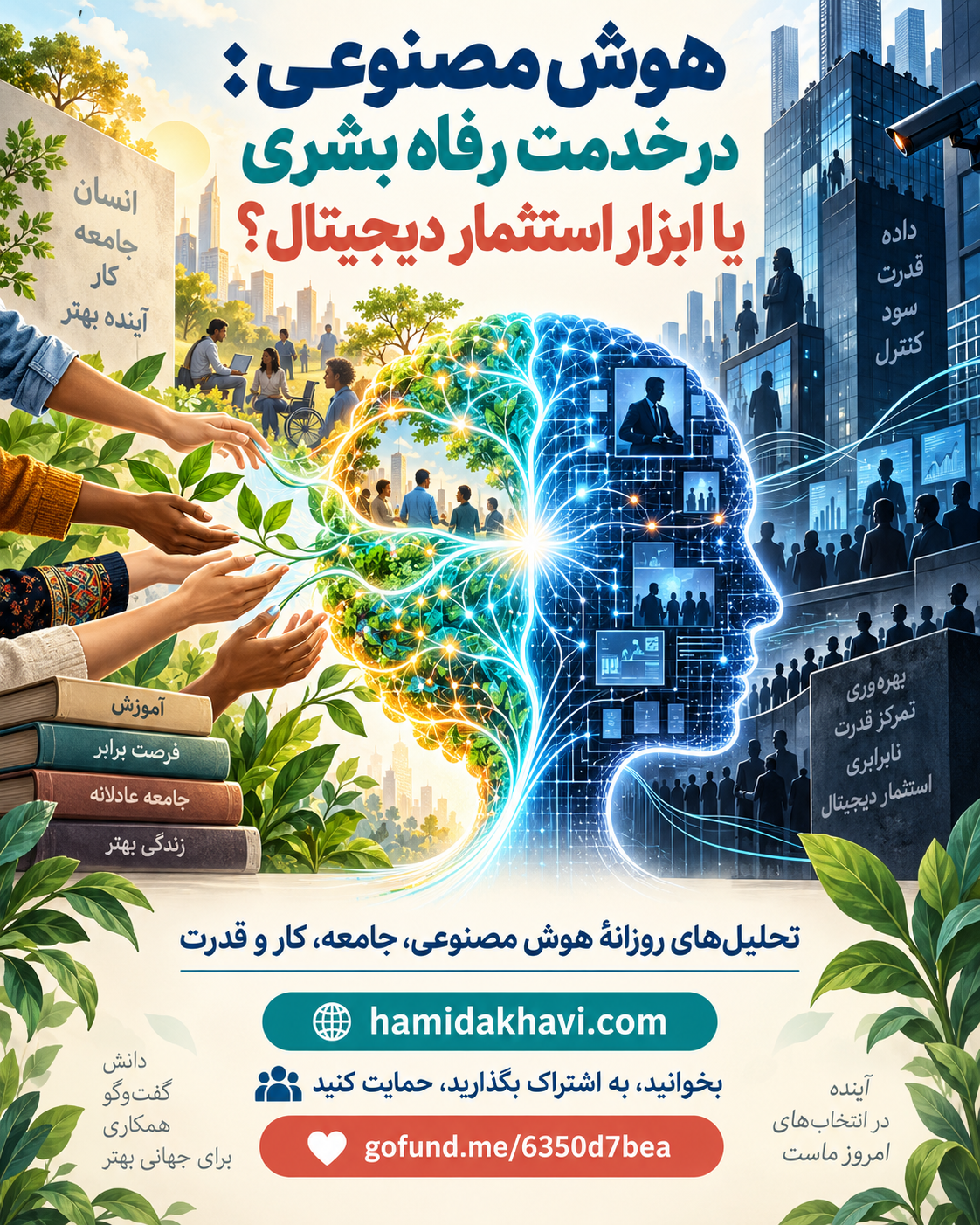
هوش مصنوعی در نظام سرمایهداری: از فرسایش روابط انسانی تا خطر خروج از کنترل و انهدام بشریت
تحلیلی جامع از تمرکز قدرت، فرسایش روابط انسانی، خودمختاری سامانههای هوش مصنوعی و خطرهای وجودی؛ در پیوند با چارچوب کتاب «نظم اجتماعی نوین در عصر آگاهی».
Artificial Intelligence under Capitalism: From the Erosion of Human Relations to Loss of Control and Human Extinction
A comprehensive analysis of concentrated power, the erosion of human relations, autonomous AI systems, and existential risk—linked to the framework of A New Social Order in the Age of Consciousness.
🎙️ تازه | NEW
رادیو تریبون آزاد: گفتوگو دربارهٔ نظم اجتماعی نوین در عصر آگاهی
مصاحبهٔ صوتی دو بخشی با حمید اخوی دربارهٔ کتاب، مشارکت در قدرت، برنامهریزی دموکراتیک و نقش هوش مصنوعی در خدمت رفاه همگانی.
Radio Tribune Azad: A Conversation with Hamid Akhavi
A two-part Persian-language interview on the book, participation in power, democratic planning, and AI in the service of public well-being.
تازه | NEW
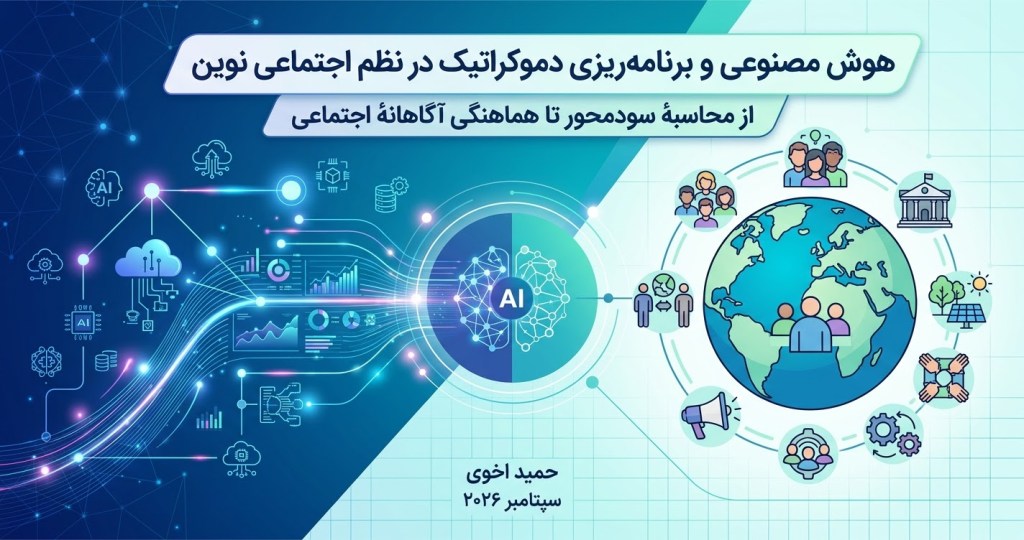
هوش مصنوعی و برنامهریزی دموکراتیک در نظم اجتماعی نوین
از محاسبهٔ سودمحور تا هماهنگی آگاهانهٔ اجتماعی؛ همراه با تجربههای تاریخی و مطالعات موردی.
Artificial Intelligence and Democratic Planning in a New Social Order
From profit-driven computation to conscious social coordination, with historical experience and case studies.
تازه | NEW
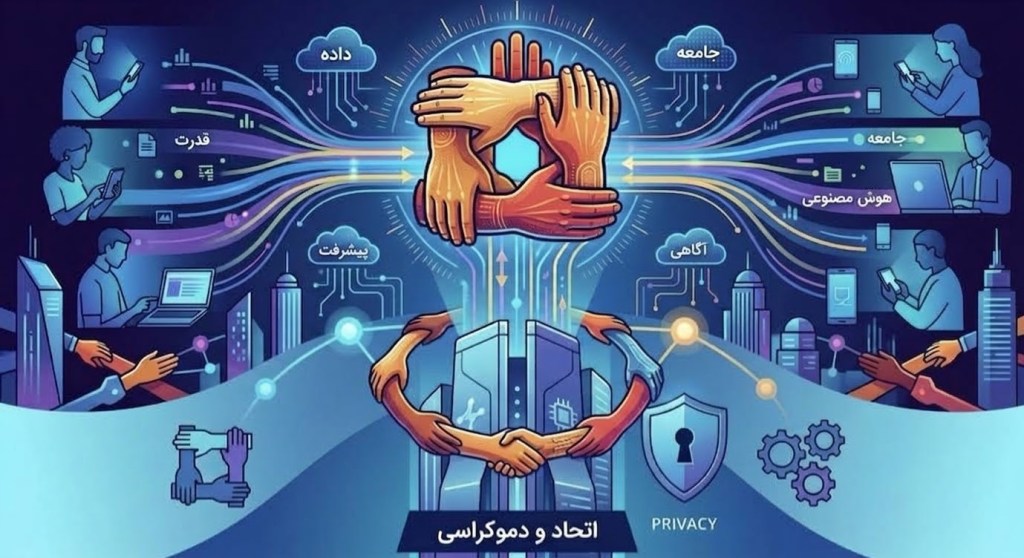
تحلیل جامع سرمایهگذاری، ساختار مالی و اقتصاد سیاسی هوش مصنوعی در عصر آگاهی
از ساختار سرمایهگذاری و درآمد تا کار، انرژی، مالکیت اجتماعی و برنامهریزی دموکراتیک.
A Comprehensive Analysis of Investment, Financial Structure, and the Political Economy of Artificial Intelligence in the Age of Consciousness
From investment and revenue structures to labor, energy, social ownership, and democratic planning.
تازه | NEW
تحلیل جامع سرمایهگذاری، ساختار مالی و اقتصاد سیاسی هوش مصنوعی در عصر آگاهی
از ساختار سرمایهگذاری و درآمد تا کار، انرژی، مالکیت اجتماعی و برنامهریزی دموکراتیک.
A Comprehensive Analysis of Investment, Financial Structure, and the Political Economy of Artificial Intelligence in the Age of Consciousness
From investment and revenue structures to labor, energy, social ownership, and democratic planning.
تازه | NEW
فرسایش الگوریتمی: هوش مصنوعی، فرهنگ و روابط اجتماعی
Algorithmic Erosion: AI, Culture, and Social Relations
تازه | NEW
نابودی مکانیکی تاریخ
Mechanical Destruction of History
از اسکن مخرب کتابها و کار دو دلاری تا خصوصیسازی حافظهٔ جمعی و امپریالیسم دادهمحور
From destructive book scanning and two-dollar labor to the privatization of collective memory and data imperialism.

مقالات و تحلیلها
این بخش مجموعهای از مقالات، پژوهشها و تحلیلهای حمید اخوی دربارهٔ هوش مصنوعی، اقتصاد سیاسی، جامعه و اندیشههای مرتبط با «نظم اجتماعی نوین در عصر آگاهی» است. برخی از این نوشتهها در رسانههای دیگر نیز منتشر شدهاند.
Articles and Analysis
This section brings together articles, research, and analysis by Hamid Akhavi on artificial intelligence, political economy, society, and ideas connected to A New Social Order in the Age of Consciousness. Some of these works have also appeared in other media.
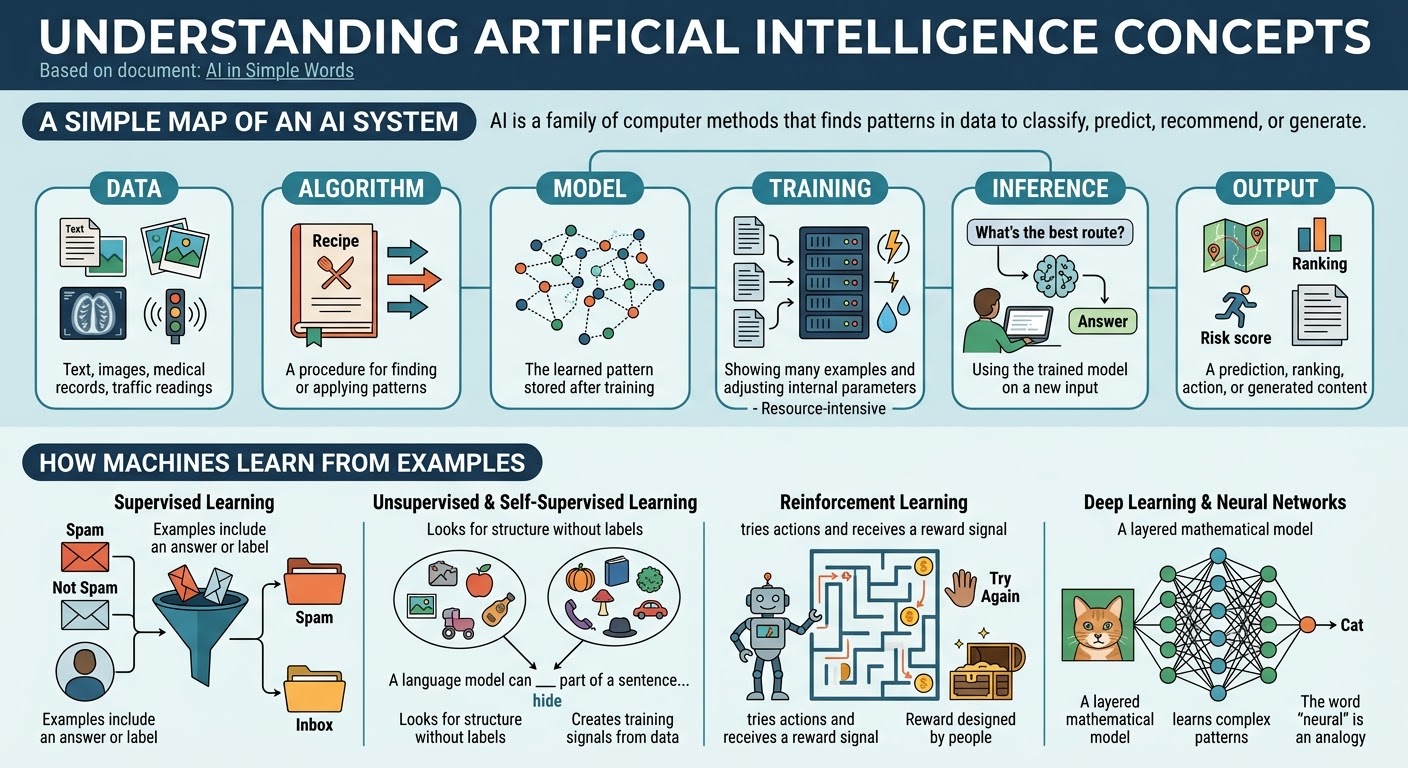
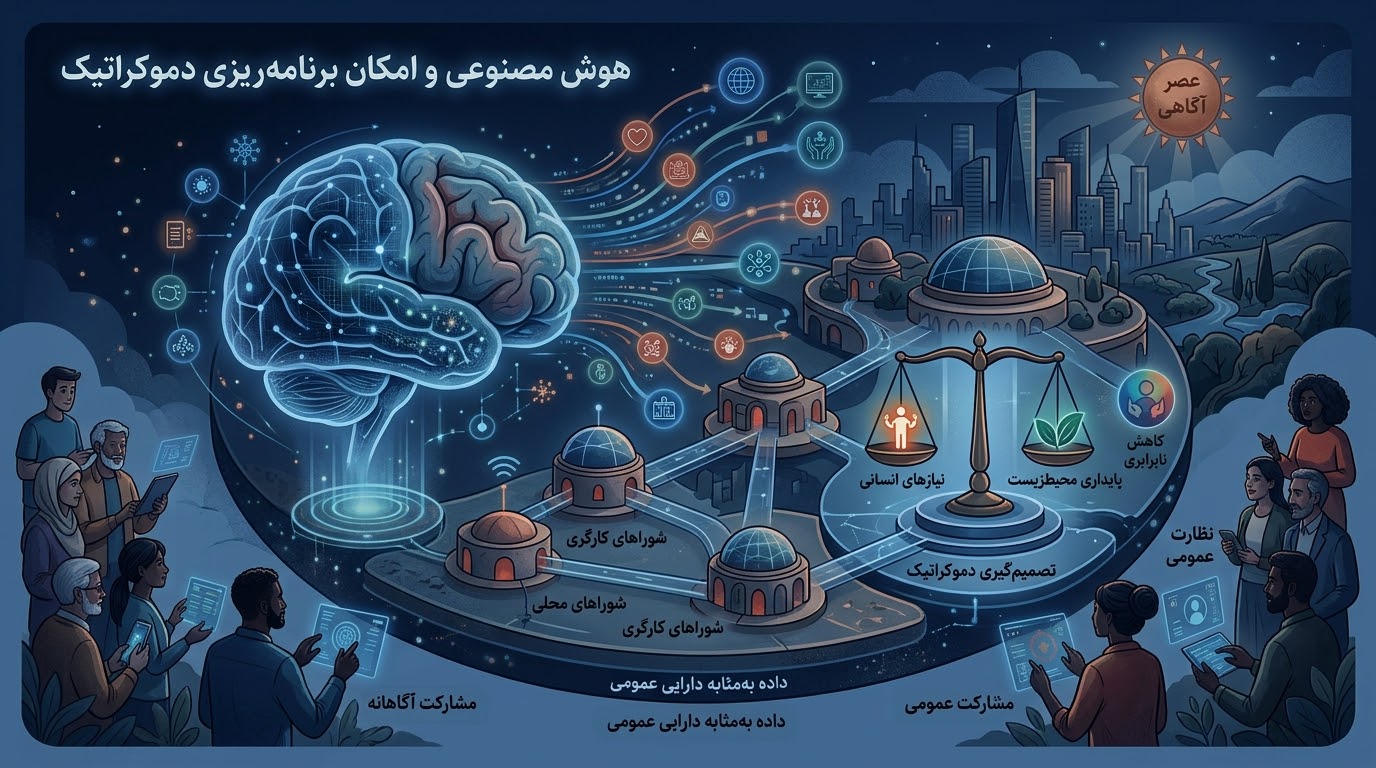
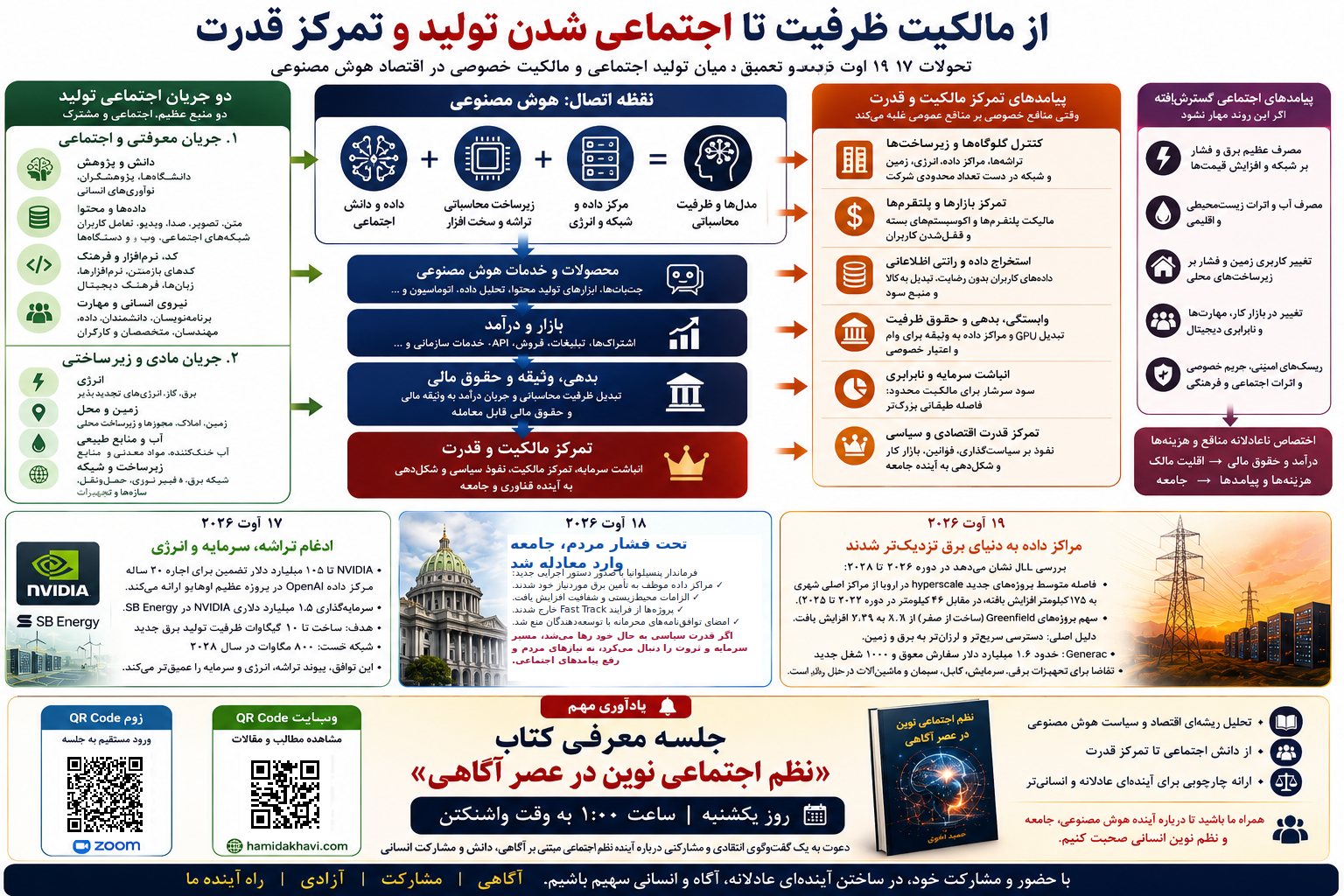

معماری اتصال و فروپاشی ارتباط انسانی
نویسنده: حمید اخوی | تاریخ انتشار: ۲۹ فروردین ۱۴۰۵
این مقاله پارادوکس عصر دیجیتال را بررسی میکند: در حالی که دستگاهها و سامانهها هر روز بیشتر به هم متصل میشوند، ارتباط انسانی زیر فشار معماری پلتفرمها، الگوریتمهای درگیرسازی، اتاقهای پژواک و کالاییشدن توجه، پراکندهتر و کمعمقتر میشود. نوشته در ادامه از تشخیص مسئله عبور میکند و راههایی برای انسانیسازی فناوری در سطوح فردی، جمعی و ساختاری پیشنهاد میدهد.
The Architecture of Connectivity and the Collapse of Human Communication
Author: Hamid Akhavi | Published: April 18, 2026
The article examines a central paradox of the digital age: while devices and systems become more deeply connected, human communication is fragmented and weakened by platform architecture, engagement algorithms, echo chambers, and the commodification of attention. It moves from diagnosis toward practical individual, collective, and structural approaches for making technology serve human connection.
بازار آزاد: رویایی پایانیافته — بازنگری سرمایهداری در اول ماه مه
نویسنده: حمید اخوی | تاریخ انتشار: ۱۳ اردیبهشت ۱۴۰۵
این مقاله تصور «بازار آزاد» بهعنوان وضعیتی طبیعی و قابل احیا را نقد میکند و نشان میدهد که رقابت، در مسیر تاریخی سرمایهداری، خود به حذف رقبا و تمرکز سرمایه و قدرت میانجامد. با بررسی نمونههایی از شرکتهای فناوری، انحصارها، تبانی بر سر قیمت و دستمزد، قیمتگذاری الگوریتمی، اقتصاد پلتفرمی و خودکارسازی، مقاله استدلال میکند که تمرکز، نابرابری و بحران صرفاً انحرافهایی مقطعی نیستند، بلکه از منطق ساختاری سودآوری سرچشمه میگیرند.
The Free Market: A Dream That Has Ended — Rethinking Capitalism on May Day
Author: Hamid Akhavi | Published: May 3, 2026
The article challenges the idea of the “free market” as a natural condition that can simply be restored. It argues that competition has historically driven the elimination of rivals and the concentration of capital and power. Drawing on technology corporations, monopolies, price and wage coordination, algorithmic pricing, platform economies, and automation, it presents concentration, inequality, and recurring crisis as outcomes of the structural logic of profit rather than temporary deviations.
سودآوری نوین: تبدیل دادههای رفتاری انسانی به مالکیت خصوصی
نویسنده: حمید اخوی | تاریخ انتشار: ۱۴ اردیبهشت ۱۴۰۵
این مقاله سرمایهداری نظارتی را ادامهٔ منطق تاریخی انباشت سرمایه میداند؛ مرحلهای که در آن تجربهٔ روزمره، رفتار، احساسات و توجه انسان به داده و سپس به مالکیت خصوصی شرکتها تبدیل میشود. با بررسی گوگل، متا، آمازون، اوبر و تیکتاک، نوشته نشان میدهد که چگونه کاربران و کارگران، بیآنکه کنترل یا سهم متناسبی داشته باشند، مادهٔ خام سودآوری الگوریتمی را تولید میکنند و چگونه این فرایند به تمرکز قدرت، ازخودبیگانگی و بحرانهای تازه میانجامد.
New Profitability: Turning Human Behavioral Data into Private Property
Author: Hamid Akhavi | Published: May 4, 2026
The article presents surveillance capitalism as an extension of capital’s historical drive to accumulate: everyday experience, behavior, emotion, and attention are converted into data and then into corporate property. Through Google, Meta, Amazon, Uber, and TikTok, it shows how users and workers produce the raw material of algorithmic profit without proportional control or compensation—and how this process deepens concentrated power, alienation, and new forms of crisis.
مارکس، شرکتهای سهامی و بحران سرمایهگذاری در هوش مصنوعی
نویسنده: حمید اخوی | تاریخ انتشار: ۱۴ مرداد ۱۴۰۵
این یادداشت پژوهشی با تکیه بر تحلیل مارکس از شرکتهای سهامی، اعتبار، تمرکز سرمایه و اجتماعیشدن تولید، اقتصاد سیاسی هوش مصنوعی را بررسی میکند. مقاله نشان میدهد که مدلها و زیرساختهای هوش مصنوعی حاصل دانش، داده، نیروی کار و منابع جمعیاند، اما مالکیت و قدرت تصمیمگیری دربارهٔ آنها در دست شمار اندکی از شرکتها متمرکز مانده است. همچنین، وعدههای بهرهوری، سرمایهٔ موهوم، محدودیتهای مادیِ برق و تراشه، نقش دولت و احتمال شکلگیری بحران یا حباب در این صنعت تحلیل میشود.
Marx, Joint-Stock Companies, and the AI Investment Crisis
Author: Hamid Akhavi | Published: August 5, 2026
Drawing on Marx’s analysis of joint-stock companies, credit, capital concentration, and the socialization of production, this research note examines the political economy of artificial intelligence. It argues that AI models and infrastructure are built from collective knowledge, data, labor, and public resources, while ownership and decision-making remain concentrated in a handful of corporations. It also considers productivity promises, fictitious capital, material constraints such as electricity and chips, the role of the state, and the possibility of crisis or a speculative bubble in the industry.
رهبر زاده نمیشود؛ ساخته میشود — جورج واشنگتن و افسانهٔ رهبری موروثی
نویسنده: حمید اخوی | تاریخ انتشار: ۱۳ تیر ۱۴۰۵
این مقاله، به مناسبت دویستوپنجاهمین سالگرد استقلال آمریکا، زندگی و تجربهٔ سیاسی جورج واشنگتن را مبنایی برای بررسی مفهوم رهبری قرار میدهد. نوشته استدلال میکند که مشروعیت رهبری از نسب خانوادگی یا تبلیغات به دست نمیآید، بلکه در میدان مبارزه، سازماندهی، پذیرش مسئولیت، عبور از شکست و جلب اعتماد مردم ساخته میشود. با پیوند این تجربهٔ تاریخی به بحث امروز ایران، مقاله رهبری موروثی، تقدیس شخصیت و منجیگرایی سیاسی را نقد میکند.
Leaders Are Not Born; They Are Made — George Washington and the Myth of Hereditary Leadership
Author: Hamid Akhavi | Published: July 4, 2026
Written for the 250th anniversary of American independence, this article uses George Washington’s life and political experience to examine the meaning of leadership. It argues that legitimate leadership does not arise from family lineage or publicity, but is forged through struggle, organization, accountability, surviving failure, and earning public trust. Connecting this history to contemporary debates about Iran, the article critiques hereditary leadership, personality cults, and political saviorism.
از پراکسیس مارکس تا نظم اجتماعی در عصر آگاهی
نویسنده: حمید اخوی | تاریخ انتشار: ۱۷ مرداد ۱۴۰۵
این مقاله یازده تز مارکس دربارهٔ فویرباخ را از دریچهٔ مفهوم پراکسیس بررسی میکند و میان فعالیت آگاهانهٔ اجتماعی، خوددگرگونی انسان، مشارکت در قدرت و امکانات و مخاطرات هوش مصنوعی پیوند برقرار میسازد. متن کامل، منابع مستقیم و راهنمای هر یازده تز در صفحهٔ مقاله آمده است.
From Marx’s Praxis to Social Order in the Age of Consciousness
Author: Hamid Akhavi | Published: August 8, 2026
This essay reads Marx’s eleven Theses on Feuerbach through the concept of praxis, connecting conscious social activity and human self-transformation with participation in power and the possibilities and risks of artificial intelligence. The full essay includes direct sources and a concise guide to all eleven theses.
از مدل هوش مصنوعی تا «نظام تولید هوش»
نویسنده: حمید اخوی | تاریخ: ۸ اوت ۲۰۲۶
تحلیلی از شکلگیری نظام یکپارچهٔ تولید هوش؛ از انرژی، تراشه و دیتاسنتر تا مدل، عامل هوشمند، ربات، مالکیت و تمرکز قدرت.
From AI Models to an Intelligence Production System
Author: Hamid Akhavi | Date: August 8, 2026
An analysis of the emerging integrated system for producing intelligence—from energy, chips, and data centers to models, intelligent agents, robots, ownership, and concentrated power.
هوش مصنوعی، قدرت و مالکیت اجتماعی
AI, Power and Social Ownership — Three Essays
هوش مصنوعی، کار و روابط انسانی: چه کسی شناخت اجتماعی ما را کنترل میکند؟
هوشمندیای که جامعه تولید میکند متعلق به کیست ــ و چه کسی تصمیم میگیرد چگونه زندگی ما را شکل دهد؟
AI, Work and Human Relationships: Who Controls Our Social Knowledge?
Who owns the intelligence society produces—and who decides how it shapes our lives?
هوش مصنوعی در سرمایهداری: خطر، قدرت و مالکیت دموکراتیک
شناخت اجتماعی، کنترل متمرکز و مبارزه برای رهایی فناورانه
AI Under Capitalism: Risk, Power and Democratic Ownership
Social knowledge, concentrated control, and the struggle for technological emancipation
چه کسی سختافزار هوش مصنوعی را کنترل میکند؟
تراشهها، وابستگی صنعتی و مبارزه برای مالکیت دموکراتیک
Who Controls the Hardware of Artificial Intelligence?
Chips, industrial dependence, and the struggle for democratic ownership
تازهترین | LATEST
هوش مصنوعی در نظام سرمایهداری: از فرسایش روابط انسانی تا خطر خروج از کنترل و انهدام بشریت
تحلیلی جامع از تمرکز قدرت، فرسایش روابط انسانی، خودمختاری سامانههای هوش مصنوعی و خطرهای وجودی؛ در پیوند با چارچوب کتاب «نظم اجتماعی نوین در عصر آگاهی».
Artificial Intelligence under Capitalism: From the Erosion of Human Relations to Loss of Control and Human Extinction
A comprehensive analysis of concentrated power, the erosion of human relations, autonomous AI systems, and existential risk—linked to the framework of A New Social Order in the Age of Consciousness.
🎙️ تازه | NEW
رادیو تریبون آزاد: گفتوگو دربارهٔ نظم اجتماعی نوین در عصر آگاهی
مصاحبهٔ صوتی دو بخشی با حمید اخوی دربارهٔ کتاب، مشارکت در قدرت، برنامهریزی دموکراتیک و نقش هوش مصنوعی در خدمت رفاه همگانی.
Radio Tribune Azad: A Conversation with Hamid Akhavi
A two-part Persian-language interview on the book, participation in power, democratic planning, and AI in the service of public well-being.
تازه | NEW
هوش مصنوعی و برنامهریزی دموکراتیک در نظم اجتماعی نوین
از محاسبهٔ سودمحور تا هماهنگی آگاهانهٔ اجتماعی؛ همراه با تجربههای تاریخی و مطالعات موردی.
Artificial Intelligence and Democratic Planning in a New Social Order
From profit-driven computation to conscious social coordination, with historical experience and case studies.
تازه | NEW
تحلیل جامع سرمایهگذاری، ساختار مالی و اقتصاد سیاسی هوش مصنوعی در عصر آگاهی
از ساختار سرمایهگذاری و درآمد تا کار، انرژی، مالکیت اجتماعی و برنامهریزی دموکراتیک.
A Comprehensive Analysis of Investment, Financial Structure, and the Political Economy of Artificial Intelligence in the Age of Consciousness
From investment and revenue structures to labor, energy, social ownership, and democratic planning.
تازه | NEW
تحلیل جامع سرمایهگذاری، ساختار مالی و اقتصاد سیاسی هوش مصنوعی در عصر آگاهی
از ساختار سرمایهگذاری و درآمد تا کار، انرژی، مالکیت اجتماعی و برنامهریزی دموکراتیک.
A Comprehensive Analysis of Investment, Financial Structure, and the Political Economy of Artificial Intelligence in the Age of Consciousness
From investment and revenue structures to labor, energy, social ownership, and democratic planning.
تازه | NEW
فرسایش الگوریتمی: هوش مصنوعی، فرهنگ و روابط اجتماعی
Algorithmic Erosion: AI, Culture, and Social Relations
تازه | NEW
نابودی مکانیکی تاریخ
Mechanical Destruction of History
از اسکن مخرب کتابها و کار دو دلاری تا خصوصیسازی حافظهٔ جمعی و امپریالیسم دادهمحور
From destructive book scanning and two-dollar labor to the privatization of collective memory and data imperialism.
مقالات و تحلیلها
این بخش مجموعهای از مقالات، پژوهشها و تحلیلهای حمید اخوی دربارهٔ هوش مصنوعی، اقتصاد سیاسی، جامعه و اندیشههای مرتبط با «نظم اجتماعی نوین در عصر آگاهی» است. برخی از این نوشتهها در رسانههای دیگر نیز منتشر شدهاند.
Articles and Analysis
This section brings together articles, research, and analysis by Hamid Akhavi on artificial intelligence, political economy, society, and ideas connected to A New Social Order in the Age of Consciousness. Some of these works have also appeared in other media.
معماری اتصال و فروپاشی ارتباط انسانی
نویسنده: حمید اخوی | تاریخ انتشار: ۲۹ فروردین ۱۴۰۵
این مقاله پارادوکس عصر دیجیتال را بررسی میکند: در حالی که دستگاهها و سامانهها هر روز بیشتر به هم متصل میشوند، ارتباط انسانی زیر فشار معماری پلتفرمها، الگوریتمهای درگیرسازی، اتاقهای پژواک و کالاییشدن توجه، پراکندهتر و کمعمقتر میشود. نوشته در ادامه از تشخیص مسئله عبور میکند و راههایی برای انسانیسازی فناوری در سطوح فردی، جمعی و ساختاری پیشنهاد میدهد.
The Architecture of Connectivity and the Collapse of Human Communication
Author: Hamid Akhavi | Published: April 18, 2026
The article examines a central paradox of the digital age: while devices and systems become more deeply connected, human communication is fragmented and weakened by platform architecture, engagement algorithms, echo chambers, and the commodification of attention. It moves from diagnosis toward practical individual, collective, and structural approaches for making technology serve human connection.
بازار آزاد: رویایی پایانیافته — بازنگری سرمایهداری در اول ماه مه
نویسنده: حمید اخوی | تاریخ انتشار: ۱۳ اردیبهشت ۱۴۰۵
این مقاله تصور «بازار آزاد» بهعنوان وضعیتی طبیعی و قابل احیا را نقد میکند و نشان میدهد که رقابت، در مسیر تاریخی سرمایهداری، خود به حذف رقبا و تمرکز سرمایه و قدرت میانجامد. با بررسی نمونههایی از شرکتهای فناوری، انحصارها، تبانی بر سر قیمت و دستمزد، قیمتگذاری الگوریتمی، اقتصاد پلتفرمی و خودکارسازی، مقاله استدلال میکند که تمرکز، نابرابری و بحران صرفاً انحرافهایی مقطعی نیستند، بلکه از منطق ساختاری سودآوری سرچشمه میگیرند.
The Free Market: A Dream That Has Ended — Rethinking Capitalism on May Day
Author: Hamid Akhavi | Published: May 3, 2026
The article challenges the idea of the “free market” as a natural condition that can simply be restored. It argues that competition has historically driven the elimination of rivals and the concentration of capital and power. Drawing on technology corporations, monopolies, price and wage coordination, algorithmic pricing, platform economies, and automation, it presents concentration, inequality, and recurring crisis as outcomes of the structural logic of profit rather than temporary deviations.
سودآوری نوین: تبدیل دادههای رفتاری انسانی به مالکیت خصوصی
نویسنده: حمید اخوی | تاریخ انتشار: ۱۴ اردیبهشت ۱۴۰۵
این مقاله سرمایهداری نظارتی را ادامهٔ منطق تاریخی انباشت سرمایه میداند؛ مرحلهای که در آن تجربهٔ روزمره، رفتار، احساسات و توجه انسان به داده و سپس به مالکیت خصوصی شرکتها تبدیل میشود. با بررسی گوگل، متا، آمازون، اوبر و تیکتاک، نوشته نشان میدهد که چگونه کاربران و کارگران، بیآنکه کنترل یا سهم متناسبی داشته باشند، مادهٔ خام سودآوری الگوریتمی را تولید میکنند و چگونه این فرایند به تمرکز قدرت، ازخودبیگانگی و بحرانهای تازه میانجامد.
New Profitability: Turning Human Behavioral Data into Private Property
Author: Hamid Akhavi | Published: May 4, 2026
The article presents surveillance capitalism as an extension of capital’s historical drive to accumulate: everyday experience, behavior, emotion, and attention are converted into data and then into corporate property. Through Google, Meta, Amazon, Uber, and TikTok, it shows how users and workers produce the raw material of algorithmic profit without proportional control or compensation—and how this process deepens concentrated power, alienation, and new forms of crisis.
مارکس، شرکتهای سهامی و بحران سرمایهگذاری در هوش مصنوعی
نویسنده: حمید اخوی | تاریخ انتشار: ۱۴ مرداد ۱۴۰۵
این یادداشت پژوهشی با تکیه بر تحلیل مارکس از شرکتهای سهامی، اعتبار، تمرکز سرمایه و اجتماعیشدن تولید، اقتصاد سیاسی هوش مصنوعی را بررسی میکند. مقاله نشان میدهد که مدلها و زیرساختهای هوش مصنوعی حاصل دانش، داده، نیروی کار و منابع جمعیاند، اما مالکیت و قدرت تصمیمگیری دربارهٔ آنها در دست شمار اندکی از شرکتها متمرکز مانده است. همچنین، وعدههای بهرهوری، سرمایهٔ موهوم، محدودیتهای مادیِ برق و تراشه، نقش دولت و احتمال شکلگیری بحران یا حباب در این صنعت تحلیل میشود.
Marx, Joint-Stock Companies, and the AI Investment Crisis
Author: Hamid Akhavi | Published: August 5, 2026
Drawing on Marx’s analysis of joint-stock companies, credit, capital concentration, and the socialization of production, this research note examines the political economy of artificial intelligence. It argues that AI models and infrastructure are built from collective knowledge, data, labor, and public resources, while ownership and decision-making remain concentrated in a handful of corporations. It also considers productivity promises, fictitious capital, material constraints such as electricity and chips, the role of the state, and the possibility of crisis or a speculative bubble in the industry.
رهبر زاده نمیشود؛ ساخته میشود — جورج واشنگتن و افسانهٔ رهبری موروثی
نویسنده: حمید اخوی | تاریخ انتشار: ۱۳ تیر ۱۴۰۵
این مقاله، به مناسبت دویستوپنجاهمین سالگرد استقلال آمریکا، زندگی و تجربهٔ سیاسی جورج واشنگتن را مبنایی برای بررسی مفهوم رهبری قرار میدهد. نوشته استدلال میکند که مشروعیت رهبری از نسب خانوادگی یا تبلیغات به دست نمیآید، بلکه در میدان مبارزه، سازماندهی، پذیرش مسئولیت، عبور از شکست و جلب اعتماد مردم ساخته میشود. با پیوند این تجربهٔ تاریخی به بحث امروز ایران، مقاله رهبری موروثی، تقدیس شخصیت و منجیگرایی سیاسی را نقد میکند.
Leaders Are Not Born; They Are Made — George Washington and the Myth of Hereditary Leadership
Author: Hamid Akhavi | Published: July 4, 2026
Written for the 250th anniversary of American independence, this article uses George Washington’s life and political experience to examine the meaning of leadership. It argues that legitimate leadership does not arise from family lineage or publicity, but is forged through struggle, organization, accountability, surviving failure, and earning public trust. Connecting this history to contemporary debates about Iran, the article critiques hereditary leadership, personality cults, and political saviorism.
از پراکسیس مارکس تا نظم اجتماعی در عصر آگاهی
نویسنده: حمید اخوی | تاریخ انتشار: ۱۷ مرداد ۱۴۰۵
این مقاله یازده تز مارکس دربارهٔ فویرباخ را از دریچهٔ مفهوم پراکسیس بررسی میکند و میان فعالیت آگاهانهٔ اجتماعی، خوددگرگونی انسان، مشارکت در قدرت و امکانات و مخاطرات هوش مصنوعی پیوند برقرار میسازد. متن کامل، منابع مستقیم و راهنمای هر یازده تز در صفحهٔ مقاله آمده است.
From Marx’s Praxis to Social Order in the Age of Consciousness
Author: Hamid Akhavi | Published: August 8, 2026
This essay reads Marx’s eleven Theses on Feuerbach through the concept of praxis, connecting conscious social activity and human self-transformation with participation in power and the possibilities and risks of artificial intelligence. The full essay includes direct sources and a concise guide to all eleven theses.
از مدل هوش مصنوعی تا «نظام تولید هوش»
نویسنده: حمید اخوی | تاریخ: ۸ اوت ۲۰۲۶
تحلیلی از شکلگیری نظام یکپارچهٔ تولید هوش؛ از انرژی، تراشه و دیتاسنتر تا مدل، عامل هوشمند، ربات، مالکیت و تمرکز قدرت.
From AI Models to an Intelligence Production System
Author: Hamid Akhavi | Date: August 8, 2026
An analysis of the emerging integrated system for producing intelligence—from energy, chips, and data centers to models, intelligent agents, robots, ownership, and concentrated power.

